Are Instagram DMs Private? The Reality Behind 'Private' Messaging
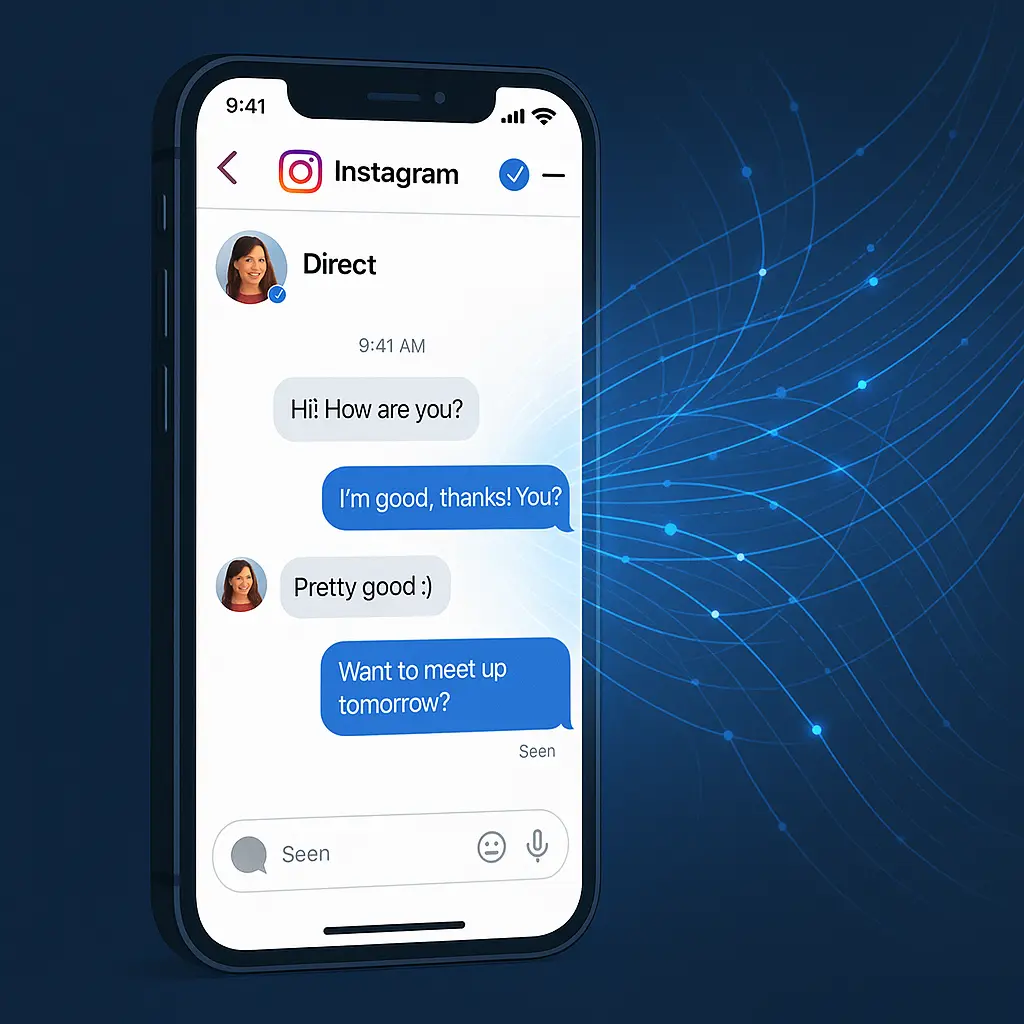
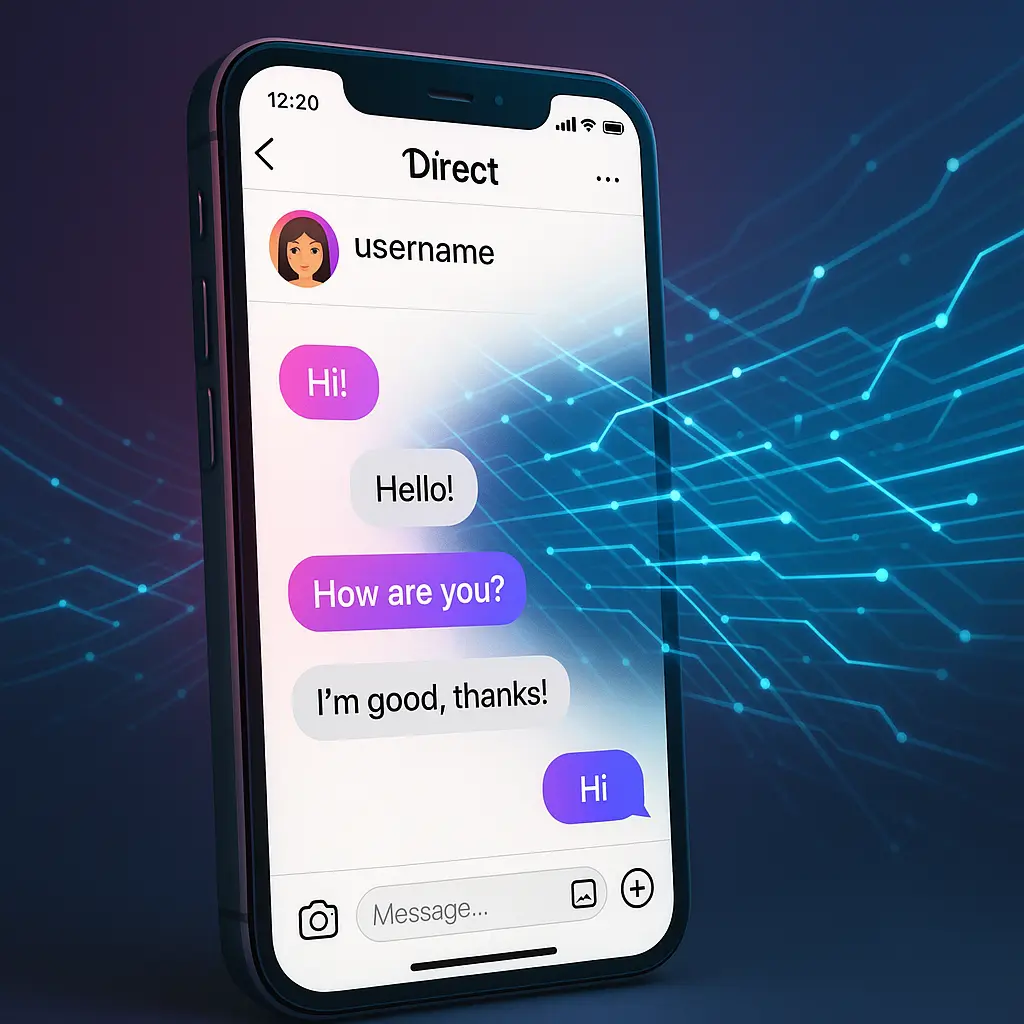
You send a direct message on Instagram. The interface says "private." The conversation sits in your DMs, separate from your public feed. It feels like a closed channel, just you and the recipient.
That feeling is misleading.
Instagram DMs are not private in the way most people assume. The platform can read every word. Metadata flows to advertisers. Screenshots happen silently. Deleted messages persist in backups. The privacy you think you have is narrower than the label suggests.
Here's what actually happens when you send an Instagram DM, what Meta sees, what leaks through, and what you can control.
What "Private" Means on Instagram
When Instagram labels a message "private," the word describes visibility to other users, not visibility to the platform itself.
A private message means:
- It doesn't appear on your public profile
- Other Instagram users can't see it unless you forward it
- The conversation stays between you and the recipient (and anyone either of you adds to the thread)
A private message does not mean:
- Instagram can't read it
- The content is encrypted end-to-end
- Metadata stays hidden
- Deletion removes all copies
The distinction matters. Instagram controls the servers. The company can access message content, analyze it, and retain it. "Private" describes the social boundary, not the technical one.
Instagram Can Read Your DMs
Instagram DMs are encrypted in transit, meaning the message is scrambled while traveling from your device to Instagram's servers, but not end-to-end encrypted. Once the message arrives at Instagram's servers, the platform decrypts it and stores it in readable form.
Meta (Instagram's parent company) has access to:
- The full text of every message you send
- Photos, videos, and voice messages shared in DMs
- Reactions, replies, and forwarded content
- When you send messages and how often you message specific accounts
This access is not a bug. It's how the system is designed. Instagram's terms of service explicitly state that the platform collects and processes message content. The company uses this data for content moderation, ad targeting, and product development.
Some security professionals recommend treating Instagram DMs the way you'd treat a postcard: anyone handling it can read it. The message reaches the recipient, but it passes through hands that can see everything written on it.
What Instagram Does With Your DM Data
Instagram doesn't just store your messages, it analyzes them.
The platform scans DM content for:
- Policy violations: Instagram uses automated systems to detect harassment, hate speech, and other content that violates community guidelines. If the system flags a message, human reviewers may read it.
- Ad targeting signals: While Meta claims it doesn't use message content directly for ads, the company does use metadata, who you message, how often, what times of day, to build advertising profiles.
- Product recommendations: If you mention a brand or product in a DM, that signal can influence what you see in your Instagram feed and Stories.
- Account security: Instagram monitors DMs for suspicious patterns, like sudden spikes in message volume or links to known phishing sites.
Researchers have found that Instagram's ad targeting becomes more accurate after users exchange DMs about specific topics. The mechanism isn't always transparent, but the correlation is consistent enough to suggest that DM activity influences what you see.
Metadata Tells More Than You Think
Even if Instagram never read the content of your messages, the metadata alone would reveal a detailed picture of your social life.
Metadata includes:
- Who you message and how often
- When you're active on the platform
- How quickly you respond to specific people
- Whether you've opened a message or left it unread
- Which messages you delete and when
- Whether you forward messages and to whom
This data doesn't require reading your words. It maps your relationships, your habits, and your priorities. In some cases, metadata is more valuable than content. It's harder to fake, harder to obscure, and easier to analyze at scale.
Instagram's privacy policy acknowledges that the company collects "information about your activity on and off our Products," which includes messaging patterns. That data feeds into the same advertising and recommendation systems that power the rest of the platform.
Screenshots Happen Silently
Instagram notifies you when someone screenshots a disappearing photo or video sent in Vanish Mode. For everything else, regular DMs, voice messages, shared posts, screenshots happen without any notification.
The recipient can capture your message, save it, and share it elsewhere. You'll never know.
This isn't unique to Instagram. Most messaging platforms, including SMS, WhatsApp (outside of View Once), and Facebook Messenger, don't notify users of screenshots. The assumption is that once you send a message, you've lost control over what happens to it.
If you're sending something you wouldn't want shared, assume it will be. Screenshots are trivial. They bypass every privacy setting the platform offers.
Vanish Mode Is Not End-to-End Encryption
Instagram's Vanish Mode makes messages disappear after they're viewed, but it doesn't encrypt them end-to-end.
When you enable Vanish Mode:
- Messages delete from both sides of the conversation after you leave the chat
- Instagram still has access to the content while the conversation is active
- The recipient can still screenshot before the message disappears (and you'll get a notification if they do)
- Metadata about the conversation, who you messaged, when, how many messages, persists
Vanish Mode is a convenience feature, not a security feature. It reduces the chance that someone scrolling through your phone will see the conversation later, but it doesn't protect the message from Instagram or from a recipient who wants to save it.
Deleted Messages Aren't Gone
When you delete a DM on Instagram, it disappears from your view. It does not disappear from Instagram's servers immediately.
Instagram's data policy states that the company retains deleted content "for a reasonable period of time" to allow for recovery in case of accidental deletion. The exact retention period isn't public, but industry practice suggests it's measured in weeks or months, not days.
Even after Instagram purges the message from its active systems, copies may persist in:
- Backups
- Server logs
- Legal hold systems (if your account is involved in litigation or law enforcement requests)
The recipient's copy remains intact unless they also delete it. If they've screenshotted the message, that copy exists outside Instagram's control entirely.
Deletion removes the message from the interface. It doesn't erase the record.
Law Enforcement Can Request Your DMs
Instagram complies with valid legal requests for user data, including DMs.
In 2024, Meta reported receiving around 400,000 government requests for user data globally, covering millions of accounts. The company discloses data in roughly 70% of cases where it determines the request is legally valid.
When law enforcement requests DMs, Instagram can provide:
- Message content
- Metadata (who, when, how often)
- IP addresses associated with the account
- Device information
If you're involved in a legal matter, assume that anything you've said in an Instagram DM can be subpoenaed. The platform doesn't offer the legal protection of attorney-client privilege or the technical protection of end-to-end encryption.
Instagram DMs vs. Encrypted Messaging
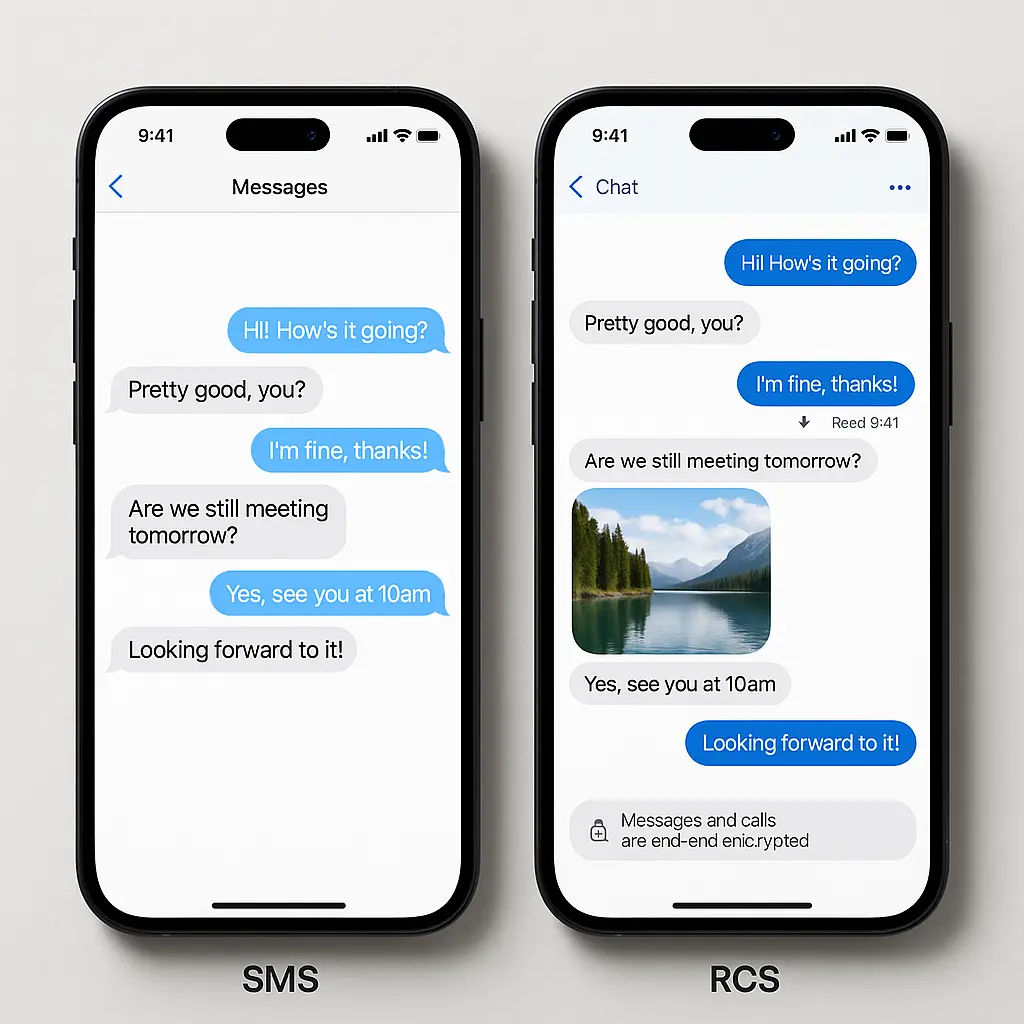
Instagram DMs and truly encrypted messaging apps, like Signal or WhatsApp (with default settings), operate on fundamentally different architectures.
Instagram DMs:
- Encrypted in transit only
- Meta can read message content
- Metadata visible to Meta
- No independent security audit
- Tied to a social media account with extensive tracking
Signal:
- End-to-end encrypted by default
- Signal cannot read message content
- Minimal metadata collection (only phone numbers and last connection time)
- Open-source code, independently audited
- Separate from social media tracking
WhatsApp:
- End-to-end encrypted by default
- Meta cannot read message content (but see below)
- Metadata visible to Meta (who you message, when, how often)
- Owned by Meta, shares some data with Facebook
- Backups to iCloud or Google Drive are not end-to-end encrypted unless you enable that setting manually
The difference matters. If you need privacy that holds up against platform access, law enforcement requests, or data breaches, Instagram DMs don't provide it. The platform was built for social connection, not confidential communication.
What You Can Control
Instagram's privacy settings offer limited control over DM visibility, but they do exist.
Message requests: You can filter who can send you DMs. Go to Settings → Messages and Story Replies → Message Controls. You can restrict messages to people you follow, or turn off message requests entirely.
Read receipts: You can disable read receipts so people don't see when you've opened their messages. Go to Settings → Messages and Story Replies → Show Activity Status. This also hides when you're active on Instagram.
Forwarding: There's no setting to prevent someone from forwarding your message to another chat. Once you send it, the recipient controls what happens next.
Blocking: Blocking someone prevents them from sending you new messages, but it doesn't delete past conversations. Those remain in both accounts unless manually deleted.
Account privacy: Setting your account to private doesn't affect DM privacy. It only controls who can see your posts and Stories. Anyone can still send you a message request.
The controls are narrow. They manage who can reach you and whether others know you've read their messages. They don't change what Instagram can see or what recipients can do with your messages.
When Instagram DMs Make Sense
Instagram DMs work well for:
- Casual social coordination (making plans, sharing memes, commenting on posts)
- Conversations where you assume the recipient might share what you say
- Interactions where convenience outweighs privacy
- Communication that doesn't involve sensitive personal, financial, or legal information
They don't work well for:
- Confidential discussions
- Sharing passwords, financial details, or health information
- Conversations you'd want to keep from employers, family, or legal proceedings
- Anything you'd regret if it appeared in a screenshot or subpoena
The platform is optimized for engagement, not confidentiality. Use it accordingly.
The Reality Check
Instagram DMs are private in the social sense, other users can't see them, but not in the technical sense. Meta reads them. Advertisers benefit from the metadata. Screenshots happen silently. Deletion is cosmetic. Law enforcement can request them.
The label "private" describes the audience, not the access.
In Sex and the City, Carrie Bradshaw famously agonizes over the meaning of a message left on her answering machine, rewinding, analyzing, calling friends to interpret. The medium mattered. A voicemail was ephemeral, heard once, then gone unless you saved the tape. Instagram DMs are the opposite. Every word persists, readable by the platform, copyable by the recipient, subpoenable by courts. The message you send today can resurface years later in contexts you never imagined. That's not paranoia, it's how the architecture works.
If you need actual privacy, use a platform built for it. Signal and WhatsApp (with encrypted backups enabled) offer end-to-end encryption by default. They're not perfect, but they're designed to keep your messages out of reach, even from the companies that run them.
Instagram DMs are fine for what they are: a convenient, casual messaging layer on top of a social media platform. Just don't mistake convenience for confidentiality.